
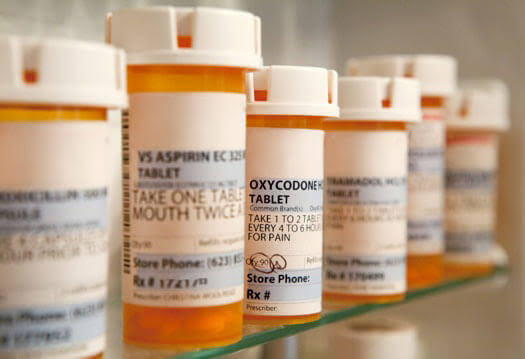
Overview
Pain is your body’s way of telling you something is wrong. After surgery, you can expect a certain amount of pain. But, if pain does not get better with pain medicine, there may be a more serious problem. Your doctors and nurses will ask about your pain because they want you to be comfortable. It is important that you tell them if their efforts to control your pain are not working.
With today’s new and improved pain medicines, there is no reason for anyone to tolerate severe pain. By effectively treating pain, you will heal faster, and be able to go home and resume normal activities sooner.
The importance of discussing pain control before your surgery
Discuss pain control options with your doctor before you have surgery. Talk about pain control methods that have worked well, or not worked well for you in the past. Also, discuss the following with your doctor:
- Concerns you have about medicines
- Allergies you have to any medicines or drugs
- Side effects that might occur
- Prescription, over-the-counter medicines, and herbal supplements that you take for other conditions
- The best way of giving pain medicine for you, such as orally or through an IV
Pain medicines are given in one of the following ways:
- On request. You can ask the nurse for pain medicine as you need it.
- Pain pills or shots given at set times. Instead of waiting until you experience pain, you are given pain medicine at certain, regular times throughout the day to keep the pain under control.
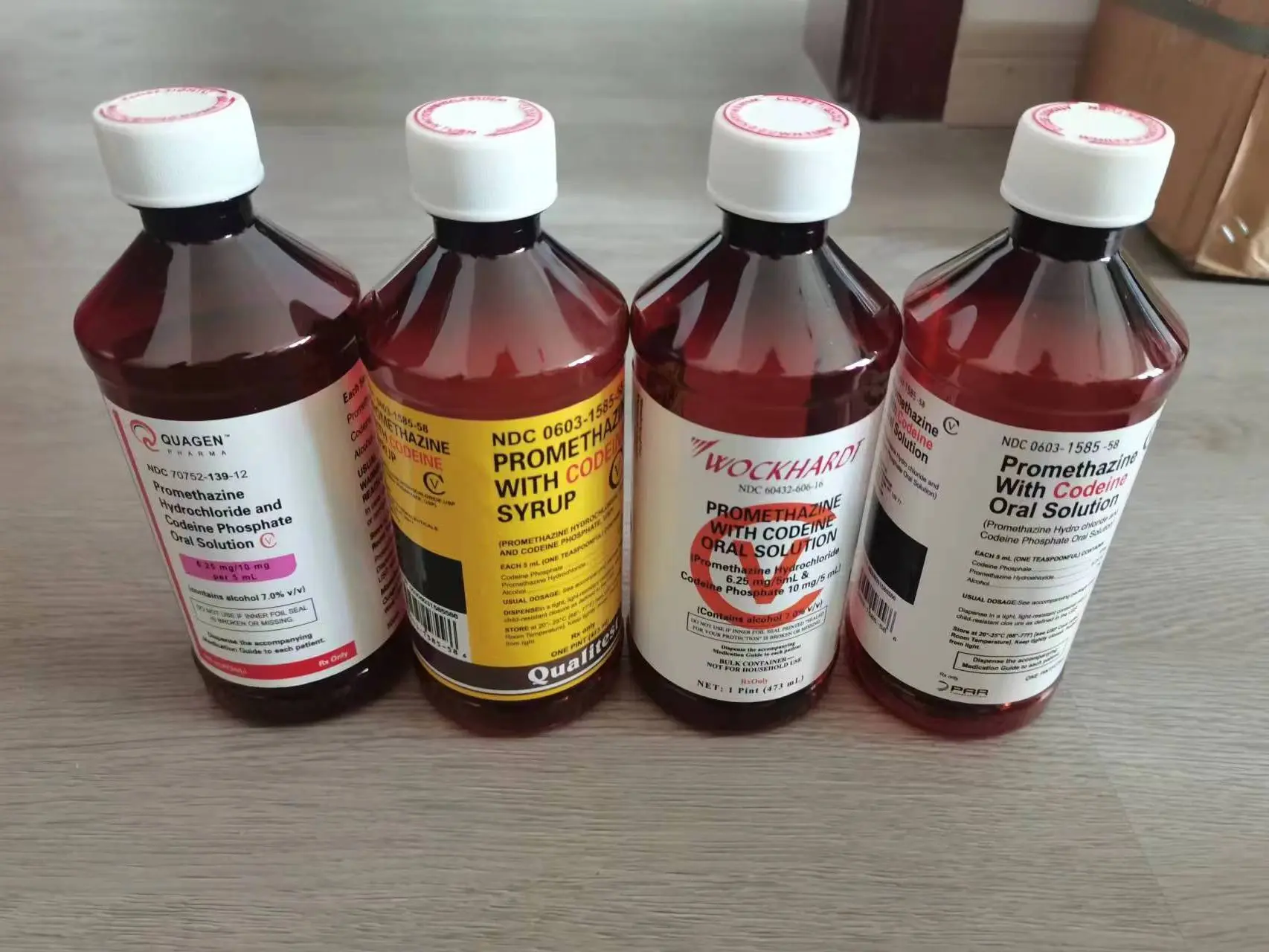
Codeine For Pain
Codeine is a prescription-strength opioid analgesic used to treat mild-to-moderate pain when non-opioid options like paracetamol or ibuprofen are insufficient. It is typically reserved for short-term use (e.g., 3 days) to manage acute pain, post-operative discomfort, or injuries.
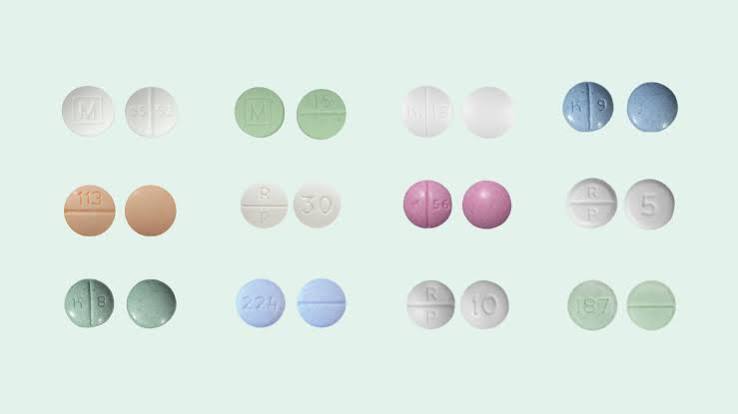
Oxycodone For Pain
Oxycodone is a potent opioid prescribed for moderate-to-severe pain not managed by other medications. It comes in immediate-release (e.g., Endone) and extended-release forms (e.g., OxyContin). It carries a high risk of addiction, misuse, and life-threatening breathing issues.
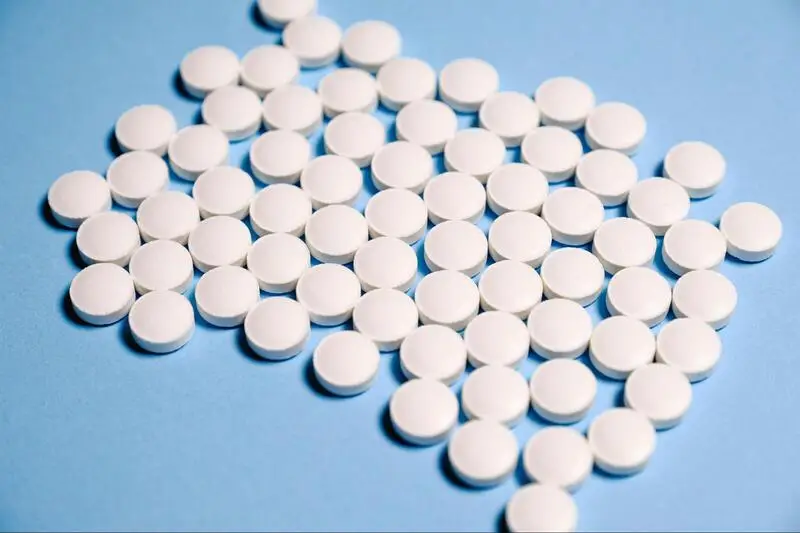
Hydromorphone For Pain
Hydromorphone is a potent opioid analgesic (often known as Dilaudid) used to manage moderate to severe acute or chronic pain when other treatments fail or cannot be tolerated. It is approximately 5 to 7.5 times stronger than morphine and alters your brain’s perception of pain.
- Patient-controlled analgesia (called PCA). You control the administration of the pain medicine by pressing a button to inject medicine at controlled amounts and intervals through an intravenous tube in the vein.
- Patient-controlled epidural analgesia (called PCEA). This type of administration provides continuous pain relief. A tube is inserted in the spine, and when you press a button, the pain medicine goes into an epidural tube, which is inserted in the back.
Your doctors and nurses will want to know how your pain medicine is working and whether or not you are still having pain. The doctor will change the medicine, or dosage, if needed.
What are the different types of pain relief medicines commonly used after surgery?
The amount of discomfort you have after surgery depends on various factors, mainly the type of surgery you had and your threshold for pain. Discuss your pain management options with your doctor, including the various types of pain medicines and their side effects.
Some of the pain relief medicines after surgery may include:
- Nonsteroidal anti-inflammatory drugs (NSAIDs). Some examples of this type of medicine are aspirin, naproxen, and ibuprofen. These medicines are most often used for mild or moderate pain. You can’t get addicted to NSAIDs. Depending on the amount of pain, NSAIDs may be enough to control pain. They can interfere with blood clotting and may cause nausea, vomiting, stomach, or kidney problems.
- Opioids. Opioids include drugs like morphine, oxycodone, hydrocodone, and codeine. They are most often used for acute pain, and may be given right after surgery. These medicines can be safely used for short periods. If they are taken for longer periods, there is an increased chance that you may become addicted. Opioids may also cause dizziness, nausea, vomiting, constipation, or itching and other skin rashes.
- Local anesthetics. Many techniques of local anesthesia are available. These drugs block the transmission of nerve impulses. They are often given for severe pain in a limited area of the body, such as the incision site. Several injections may be needed to control the pain. But, too much anesthetic can have side effects. In a few cases, the local anesthetic can be slowly infused via a pump into the surgical site for pain relief.
- Acetaminophen. Acetaminophen is one type of pain reliever that is unlikely to cause the stomach irritation that may be associated with aspirin, naproxen sodium, ketoprofen, and even ibuprofen. But, the active ingredients found in some other nonprescription pain relievers. Certain acetaminophen products may also be less likely to interact with other medicines you may be taking. Many oral analgesic medicines contain acetaminophen combined with an opioid. It is very important to know how much acetaminophen is contained in these combination medicines. Acetaminophen can cause liver damage if taken in excess or by people with certain medical conditions.
Breathing, meditation, guided imagery, and other relaxation exercises can also help control pain. Talk to your doctor for more information. smoking, these drinks can build up a superficial stain that your dentist or hygienist can polish off. But they can also cause internal staining of your tooth enamel.
Drinking through a straw can help reduce the strain on your teeth and may help reduce the risk of tooth decay. It can also help to rinse your mouth frequently with water so the dark liquid does not sit on your teeth for a long period between meals.
Choose your whitening products carefully
Depending on your needs, there are a variety of whitening products available: gel pens, rinses, toothpastes, strips, over-the-counter trays, custom trays, and laser whitening. While the choices can be overwhelming, each type can have specific benefits that help you target problem areas. Whitening toothpastes and rinses are good for coffee and tea drinkers. Gel pens are good for touching up small areas, like a tooth that has shifted back and collects more stain. Custom trays and laser whitening provide professional-strength whitening and offer the most dramatic
Drink plenty of water
Water is the healthiest drink for your smile and your body. It helps flush teeth clean and discourages tooth decay. Tap water is the best choice as it has the recommended dosage of fluoride. Many times bottled water comes from a source where the fluoride levels are not monitored or contain no fluoride at all. A healthy level of fluoride promotes tooth health and discourages decay.
Frequent consumption of acidic or sugary drinks can increase decay rates dramatically. Athletes are quickly becoming an at-risk group as the effects of sports drinks take a toll on their teeth.
Improve your other health conditions
Conditions such as high blood pressure, diabetes, obesity, and bruxism (also known as teeth grinding) can all affect the health and appearance of your smile. When the body is strained by one health condition, it’s more difficult to treat another.
Rather than covering up symptoms, you can help improve your health through preventive methods. Eating right and getting enough exercise can dramatically improve the appearance of your body, teeth, and gums.
