
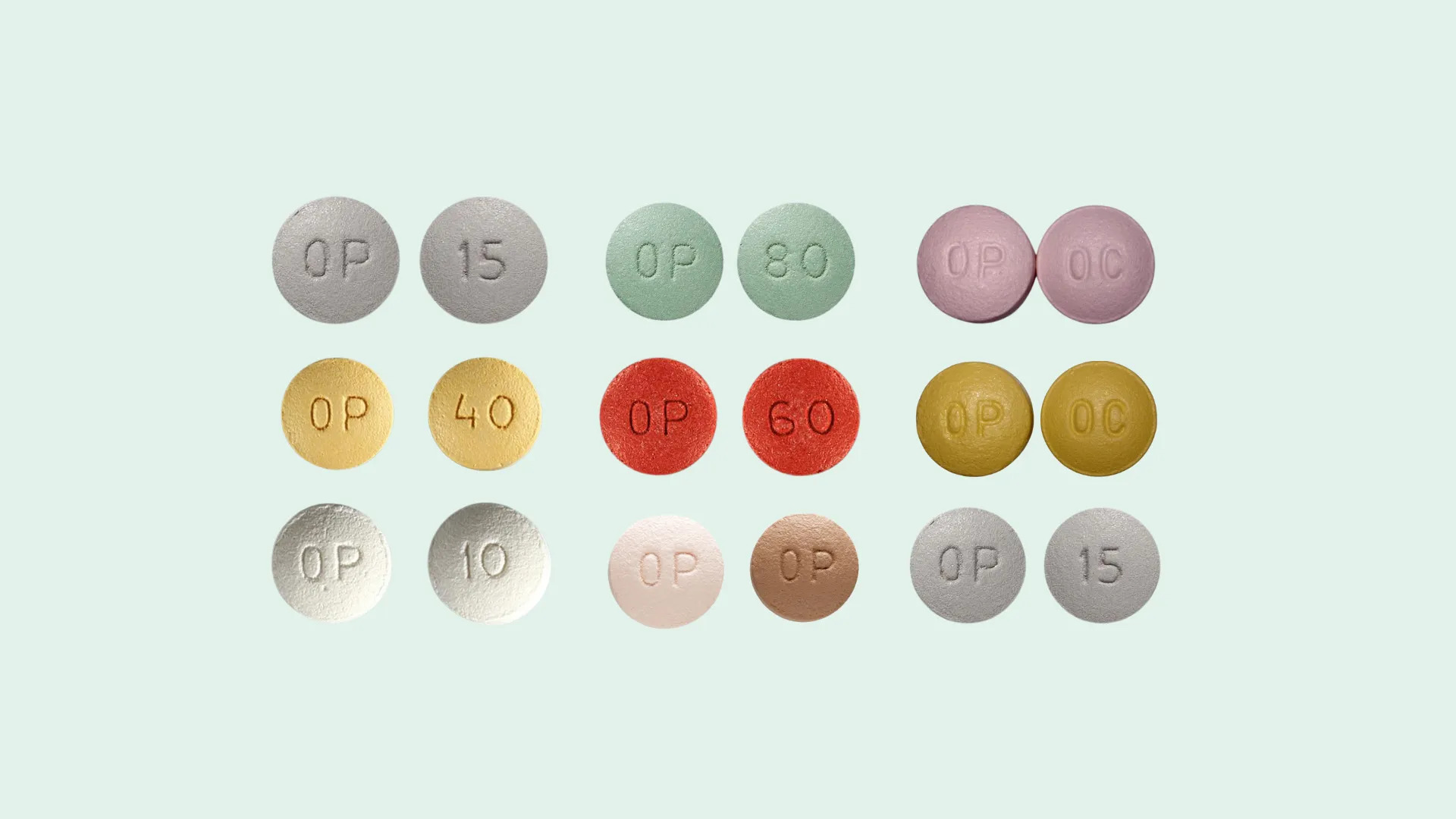
Introduction: Can OxyContin Cause Dependence or Addiction?
If you or someone you care about has been prescribed an opioid such as OxyContin, questions about addiction and withdrawal are completely understandable.
Can OxyContin be addictive? What is the difference between dependence and addiction? What happens if treatment needs to stop?
These questions can be particularly important when an opioid has been used regularly for an extended period.
OxyContin is a brand name associated with extended-release oxycodone, an opioid pain medication. Like other opioids, oxycodone can relieve pain but can also cause physical dependence, tolerance, and substance use disorder. Health Canada notes that all opioids have addictive potential, including when used for medical purposes.
The important point is that physical dependence does not automatically mean addiction. A person can become physically dependent on an opioid while taking it exactly as prescribed and without developing an opioid use disorder.
This guide explains the differences and what Canadians should know about withdrawal and getting professional support.
Table of Contents
What Is OxyContin?
OxyContin is a brand associated with an extended-release formulation of oxycodone, an opioid medication used for pain management.
Opioids act on receptors in the nervous system involved in pain perception. They can reduce the sensation of pain but can also affect alertness, breathing, mood, and other body functions.
Health Canada identifies oxycodone and OxyContin among opioid pain medications and emphasizes that opioids have both potential benefits and significant risks.
Because opioids can produce pleasurable effects in some circumstances, they have the potential for misuse and addiction.
Is OxyContin Addictive?
Yes. OxyContin and other opioids can be addictive.
However, addiction is not inevitable.
Health Canada explains that all opioids have addictive potential, regardless of how they are obtained or why they are being used. Addiction, or substance use disorder, involves compulsive use and continued use despite harmful consequences.
Someone taking an opioid according to a healthcare professional’s instructions may develop physical dependence without developing addiction.
That distinction is important because the words dependence, tolerance, and addiction describe different things.
What Is the Difference Between Opioid Dependence and Addiction?
This is one of the most important questions patients can ask.
Physical dependence
Physical dependence occurs when the body becomes accustomed to regularly receiving an opioid.
If the medication is suddenly reduced or stopped, withdrawal symptoms can occur.
Health Canada notes that physical dependence can develop with continuous opioid use and does not necessarily mean that someone has an addiction.
Addiction or opioid use disorder
Opioid use disorder is different.
It involves problematic opioid use that can include:
- Strong cravings
- Difficulty controlling use
- Continued use despite harmful consequences
- Increasingly focusing daily activities around obtaining or using opioids
- Difficulty stopping despite wanting to stop
Health Canada describes opioid use disorder as a treatable medical condition that can affect both the brain and body.
Tolerance
Tolerance means the body becomes accustomed to an opioid and the same amount may produce less of an effect over time.
Tolerance can develop with continued opioid use and is not the same thing as addiction.
A simple comparison
| Term | What it means |
|---|---|
| Tolerance | The body becomes less responsive to the same opioid exposure |
| Physical dependence | Stopping or rapidly reducing the opioid can cause withdrawal |
| Addiction/OUD | Compulsive use continues despite harmful consequences |
A person can experience tolerance or physical dependence without having an opioid use disorder.
Why Does Physical Dependence Develop?
The nervous system adapts to repeated exposure to opioids.
With regular use, the body becomes accustomed to the medication. If the opioid is suddenly removed, the nervous system may react with withdrawal symptoms.
Health Canada states that physical dependence can occur even when opioids are used for legitimate medical reasons.
This is why patients who have been taking opioids regularly should not assume that suddenly stopping is the safest approach.
How Quickly Can Opioid Dependence Develop?
There is no single timeframe that applies to everyone.
Health Canada’s current patient guidance states that physical dependence can occur within one to two weeks of continuous opioid use, although individual circumstances vary.
Factors that can influence the likelihood and severity of dependence include:
- How long the opioid has been used
- The medication involved
- Individual health factors
- The amount of opioid exposure
- Whether the medication is taken continuously
- Previous opioid exposure
Because these factors vary substantially, patients should discuss their individual situation with their prescriber or pharmacist.
Who May Have a Higher Risk of Opioid Addiction?
Addiction can affect people from many different backgrounds.
Health Canada identifies a personal or family history of substance misuse, including alcohol misuse, as one factor that may increase the risk of addiction to opioid pain medications.
Other circumstances may also warrant closer monitoring.
For example, healthcare professionals may consider:
- Previous substance-use problems
- Difficulty controlling medication use
- Persistent cravings
- Using medication for reasons other than pain control
- Taking medication differently from the prescribed instructions
- Significant changes in behaviour associated with medication use
Having a risk factor does not mean someone will develop addiction.
It simply means that additional monitoring and open communication may be helpful.
What Are the Signs That Opioid Use May Be Becoming Problematic?
One useful question is:
Is the medication still being used primarily as part of a medical treatment plan, or is opioid use beginning to control other areas of life?
Potential warning signs can include:
- Repeatedly taking more medication than prescribed
- Taking opioids for reasons other than pain relief
- Persistent cravings
- Difficulty cutting down despite wanting to
- Continuing opioid use despite serious problems caused by it
- Spending substantial time obtaining or recovering from opioid use
- Problems at work, school, home, or in relationships associated with opioid use
These signs warrant a conversation with a healthcare professional rather than judgment or shame.
Opioid use disorder is a medical condition and can be treated.
What Are OxyContin Withdrawal Symptoms?
Withdrawal can happen when a person who has developed physical dependence suddenly stops taking an opioid or reduces exposure too quickly.
Possible symptoms include:
- Restlessness
- Anxiety or psychological distress
- Sweating
- Chills
- Shaking
- Muscle aches
- Increased pain
- Abdominal discomfort
- Diarrhea
- Nausea
- Vomiting
- Difficulty sleeping
- Irritability or agitation
Health Canada explains that withdrawal severity depends on factors such as the opioid used, the amount taken, and how long it was used.
Withdrawal can be extremely uncomfortable, but experiencing withdrawal does not by itself mean a person is addicted.
Why Shouldn’t You Suddenly Stop Long-Term Opioid Treatment?
If you have been taking an opioid regularly, suddenly stopping can cause withdrawal.
More importantly, abruptly discontinuing treatment without appropriate medical support can create additional risks, including severe withdrawal symptoms, worsening pain, and psychological distress. Health Canada recommends discussing opioid reduction or discontinuation with a healthcare professional.
Another important concern is loss of tolerance.
After opioid use is stopped, tolerance can decrease. If someone later returns to an amount they previously tolerated, the same exposure may carry a greater overdose risk.
For that reason, opioid reduction should be approached as a medical decision rather than something to manage alone.
What Is Opioid Tapering?
Tapering means gradually reducing opioid exposure under professional guidance rather than stopping suddenly.
There is no single tapering schedule that is appropriate for every patient.
The appropriate approach can depend on:
- The medication being used
- Duration of treatment
- Current treatment plan
- Pain condition
- Physical dependence
- Other medications
- Mental health and overall health
- Previous attempts to reduce opioid use
Health Canada’s current guidance recommends talking with a healthcare provider before reducing or stopping opioid medication, particularly after long-term or higher-dose use.
A healthcare professional can determine whether gradual reduction, another treatment approach, or additional support is appropriate.
Can Withdrawal Make Pain Feel Worse?
Yes.
Withdrawal can involve increased pain and other physical symptoms.
This can create a difficult situation: someone may interpret the return or worsening of pain during withdrawal as proof that they can never reduce the medication.
Health Canada has specifically highlighted the possibility of increased pain and significant psychological distress during opioid tapering or discontinuation.
That is one reason individualized medical supervision is important.
What Should You Do If You Think You Are Becoming Dependent?
Don’t panic, and don’t assume that dependence means you have failed.
Instead, speak with your:
- Doctor
- Nurse practitioner
- Pharmacist
- Pain specialist
- Addiction-medicine professional
Tell them honestly:
- How you are taking the medication
- Whether your pain is controlled
- Whether you experience cravings
- Whether you are worried about dependence
- Whether you have experienced withdrawal
- Whether you have changed the way you take the medication
Accurate information allows your healthcare team to make safer decisions.
What If You Think You Have an Opioid Addiction?
Treatment is available.
Health Canada describes opioid use disorder as treatable and notes that treatment may involve medication, counselling, social support, peer support, and other healthcare services.
Depending on the individual’s circumstances, treatment may involve medications such as:
- Buprenorphine
- Methadone
- Other evidence-based treatments
Treatment should be individualized and supervised by qualified healthcare professionals.
The goal is not simply to tell someone to “stop.” Effective care can address cravings, withdrawal, pain, mental health, and other factors affecting recovery.
Can You Become Addicted Even If You Take OxyContin as Prescribed?
It is possible.
Health Canada states that addiction may occur even when opioids are used as prescribed.
At the same time, taking an opioid as prescribed is different from misusing it.
Patients should not be afraid to discuss addiction concerns with their healthcare provider. Asking questions early can help identify problems before they become more serious.
What About OxyContin and Alcohol or Other Sedating Drugs?
Combining opioids with alcohol or other substances that depress the central nervous system can increase the risk of dangerous sedation and breathing problems.
Health Canada specifically warns about combining opioids with alcohol and other sedating medications or substances.
Examples can include certain:
- Sleeping medications
- Anxiety medications
- Muscle relaxants
- Other sedating substances
Always tell your doctor and pharmacist about all prescription medicines, non-prescription medicines, and substances you use.
When Is an Opioid Overdose an Emergency?
An opioid overdose can cause breathing to become dangerously slow or stop.
Emergency warning signs can include:
- Very slow or shallow breathing
- Extreme sleepiness
- Difficulty waking the person
- Loss of consciousness
- Severe confusion
- Blue or grey lips or skin
An opioid overdose is a medical emergency.
If you suspect an overdose, call 911 or your local emergency service immediately and follow emergency guidance available in your area.
Naloxone can temporarily reverse opioid effects and is an important part of opioid-overdose response. Health Canada provides information about naloxone access and overdose response for Canadians.
How Can Canadians Talk to Their Doctor About Opioid Dependence?
It can be difficult to bring up addiction concerns.
You can start with a simple question:
“I’m worried about becoming dependent on this medication. Can we talk about my risks and treatment options?”
You can also ask:
- Do I still need this medication?
- What benefits should I expect from continuing treatment?
- What risks should I watch for?
- Could my symptoms indicate physical dependence?
- What should I do if I miss a dose or have withdrawal symptoms?
- Would another pain-management strategy be appropriate?
- If treatment needs to end, how can it be done safely?
- What should I do if I feel I am losing control over my opioid use?
Health Canada recommends ongoing conversations between patients and healthcare professionals about opioid benefits, risks, side effects, and treatment goals.
Can Pain Treatment Continue Without Long-Term Opioids?
In some cases, yes.
Pain management is not limited to opioid medications.
Depending on the type and cause of pain, healthcare professionals may consider combinations of:
- Non-opioid medications
- Physical therapy
- Exercise or movement-based therapies
- Psychological approaches
- Interventional pain procedures
- Treatment of an underlying medical condition
- Multidisciplinary pain-management programs
The appropriate approach depends on the individual.
For chronic pain especially, treatment decisions should be based on the person’s medical history, functional goals, risks, and preferences.
Myth vs. Fact: OxyContin Dependence and Addiction
Myth: “Physical dependence means someone is addicted.”
Fact: Physical dependence and addiction are different. A person can become physically dependent on an opioid without developing opioid use disorder.
Myth: “If a medication is prescribed, addiction is impossible.”
Fact: Prescription opioids can still carry addiction risk, even when used for medical purposes.
Myth: “Withdrawal proves someone abused the medication.”
Fact: Withdrawal can occur because the body has become physically dependent on an opioid. It does not by itself establish addiction.
Myth: “The safest way to stop is to quit immediately.”
Fact: People who have developed physical dependence may experience significant withdrawal if opioids are abruptly discontinued. Health Canada recommends discussing reduction or discontinuation with a healthcare professional.
Myth: “Once someone develops opioid use disorder, nothing can be done.”
Fact: Opioid use disorder is a treatable medical condition, and evidence-based treatment options are available.
Frequently Asked Questions
Is OxyContin 20mg addictive?
OxyContin and other opioid medications can be addictive. The risk varies between individuals and depends on factors including the pattern and duration of use and personal risk factors.
What are the most common OxyContin withdrawal symptoms?
Possible opioid withdrawal symptoms include sweating, chills, restlessness, anxiety, muscle aches, gastrointestinal symptoms, sleep difficulties, shaking, and increased pain.
Does opioid dependence mean I am addicted?
No. Physical dependence means the body has adapted to regular opioid exposure. Addiction, or opioid use disorder, involves problematic compulsive use and continued use despite harmful consequences.
Can you stop OxyContin suddenly?
If you have been taking an opioid regularly, you should speak with your healthcare professional before stopping. Abrupt discontinuation can cause withdrawal and other problems, particularly after longer-term use.
How long does opioid withdrawal last?
There is no universal timeline. Withdrawal varies according to the opioid, amount used, duration of treatment, and individual circumstances. A healthcare professional can provide guidance based on your situation.
Can opioid addiction be treated?
Yes. Health Canada recognizes opioid use disorder as a treatable medical condition. Treatment can involve medications, counselling, peer support, and other health and social services.
What should I do if I think my opioid use is becoming a problem?
Speak with a doctor, nurse practitioner, pharmacist, addiction specialist, or another qualified healthcare professional. Being honest about how you are using the medication helps your care team determine the safest next step.
Where can Canadians find reliable opioid information?
Health Canada provides information on opioids, overdose prevention, naloxone, opioid use disorder, treatment, and accessing substance-use support.
Health Canada — Opioid Use Disorder and Treatment
Final Takeaway
OxyContin and other opioids can provide important pain relief, but they also carry risks including tolerance, physical dependence, addiction, withdrawal, and overdose.
The most important distinction is that dependence is not the same as addiction. Someone can become physically dependent while taking an opioid as prescribed.
If you have concerns about dependence, addiction, withdrawal, or stopping treatment, talk with your healthcare professional rather than changing your medication regimen on your own.
For Canadians, reliable information and professional support are available. Asking for help early is a sign of responsible healthcare—not failure.
